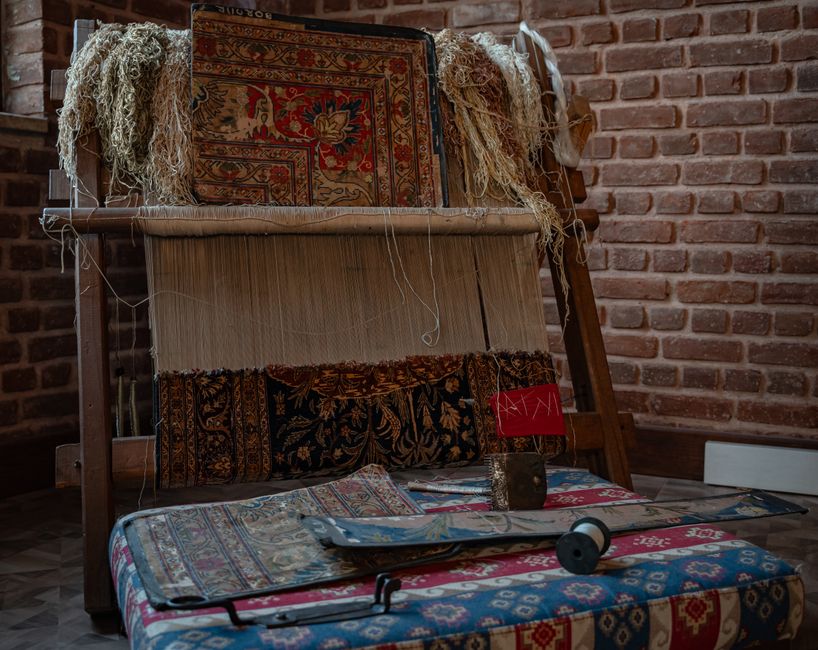
Old Coulsdon antique rug cleaning local care guide
If you own an antique rug in Old Coulsdon, you already know it is not just another floor covering. It might be a hand-knotted family piece, a market find with a bit of character, or something that simply feels too good to risk with ordinary cleaning. This Old Coulsdon antique rug cleaning local care guide is here to help you protect that value without overcomplicating things. We will look at what antique rug care really involves, when a careful DIY approach makes sense, when to step back, and how to choose the right type of professional help if you need it. Truth be told, most damage happens during rushed cleaning, not from years of normal wear.
In a place like Old Coulsdon, where homes often mix modern living with older interiors, rugs tend to pick up everyday grit, damp air, pet traffic, and the occasional spill. The trick is knowing how to respond before a small mark becomes a permanent stain. Let's go step by step.
Table of Contents
- Why antique rug care matters in Old Coulsdon
- How antique rug cleaning works
- Key benefits and practical advantages
- Who this guide is for
- Step-by-step guidance
- Expert tips for better results
- Common mistakes to avoid
- Tools, resources and recommendations
- Law, compliance, standards and best practice
- Options, methods and comparison
- Case study or real-world example
- Practical checklist
- Conclusion
- Frequently asked questions
Why Old Coulsdon antique rug cleaning local care guide Matters
Antique rugs are vulnerable in ways modern synthetic rugs usually are not. Their fibres may be wool, silk, cotton, or a blend. The dyes may be natural or older-style chemical dyes. Their structure might be worn in places you cannot easily see until the rug is lifted and turned. That means cleaning is not just about removing dirt; it is about preserving the fibres, the colour, the weave, and the value.
In Old Coulsdon, local conditions matter too. Homes can be exposed to muddy shoes in wet months, dust from open windows in warmer weather, and general household wear from busy family life. Rugs placed near hallways, fireplaces, dining areas, or under chairs often trap fine grit. You do not always notice it at first, but grit acts like sandpaper over time. A rug may still look fine from a distance, yet the fibres are slowly breaking down underneath.
This guide matters because antique rugs often get treated like ordinary rugs until something goes wrong. And once colour runs, fringe unravels, or a backing weakens, the repair bill can be a painful surprise. Better to slow down, assess carefully, and clean with intent.
Practical takeaway: antique rugs usually need gentler methods, lower moisture, and more judgement than standard rug cleaning. The safest clean is often the one that starts with inspection, not product selection.
How Old Coulsdon antique rug cleaning local care guide Works
Good antique rug care starts with identification. Before any cleaning method is chosen, the rug should be assessed for fibre type, dye stability, age, wear, previous repairs, and any signs of moth damage or backing weakness. That sounds technical, but it is really just a careful look at what the rug can tolerate.
From there, the process usually follows a few broad stages:
- Dry soil removal. Loose grit is lifted out first. This prevents dirt from turning into a muddy paste once moisture is introduced.
- Spot testing. A small hidden area is tested for dye bleed, fibre reaction, or backing sensitivity.
- Targeted stain treatment. Only suitable products and techniques are used on specific marks, and usually sparingly.
- Controlled cleaning. Moisture, agitation, and heat are kept low and measured. Antique fibres do not forgive rough treatment.
- Careful drying. Drying is just as important as washing. Slow drying can lead to odour, browning, or distortion.
- Final grooming and inspection. Pile is reset, fringes checked, and the rug is reviewed for any change in texture or colour.
A proper local care approach also considers where the rug lives. A hallway runner near a front door in Old Coulsdon will need different attention from a decorative sitting-room rug that mostly stays still. Households with pets, underfloor heating, or windows that stay slightly open in damp weather need to be even more cautious. The environment shapes the clean.
It is also worth saying plainly: not every antique rug should be wet-cleaned. Some are better suited to very limited moisture, some to specialist wash processes, and some to conservation-style surface care only. If a rug feels fragile in the hand, sheds excessively, or has dyes that transfer with a damp cloth, pause. That pause is wise, not annoying.
Key Benefits and Practical Advantages
When antique rug cleaning is done well, the benefits go well beyond appearance. You get protection, longevity, and a better living environment without stripping away the rug's character.
- Colour preservation: careful cleaning helps keep older dyes from bleeding or dulling.
- Fibre protection: removing abrasive grit reduces wear on wool and other delicate fibres.
- Odour control: antique rugs can hold stale air, pet smells, and household odours if they are not cleaned properly.
- Better indoor comfort: a well-kept rug feels softer, fresher, and more pleasant underfoot.
- Value retention: for collectible or inherited pieces, clean presentation matters if you ever plan to insure, gift, or sell the rug.
- Fewer emergency repairs: regular care often prevents frayed edges, set-in stains, and weakened backing.
There is also a less obvious benefit: peace of mind. A rug that has been cleaned with care does not make you wince every time someone walks over it with muddy shoes. You can live with it, which is the point. A beautiful item should not become a source of daily stress.
If the rug is part of a broader soft-furnishing refresh, it can make sense to think about nearby items at the same time. For example, some households schedule rug cleaning alongside upholstery cleaning or curtain cleaning so the whole room feels cleaner and more balanced. That is not essential, but it often makes practical sense.
Who This Is For and When It Makes Sense
This guide is for anyone in Old Coulsdon who owns an older rug and wants to look after it properly. That includes homeowners, renters with inherited pieces, collectors, landlords with furnished properties, and families who have bought an antique-style rug but are not entirely sure how delicate it really is. To be fair, many people only realise the rug is antique after they have already been using it like a door mat. Happens all the time.
It makes sense to use this kind of care approach when the rug is:
- hand-knotted or handmade
- made from wool, silk, or mixed natural fibres
- showing edge wear, fading, or repair stitching
- older than a standard modern household rug
- of sentimental value
- suspected to have unstable dye or weakened backing
- smelling musty after storage or damp conditions
You may also need it if you have pets, high foot traffic, or a rug that has been rolled up in a loft, spare room, or cupboard for years. Storage can be surprisingly harsh. Dust, temperature swings, and humidity do more damage than people expect.
And when does it make sense to call in a professional rather than continue at home? Usually when the rug is large, valuable, fragile, stained with an unknown substance, or visibly distorted. If the rug is older and you are not sure what it is made from, that alone is a good reason to be cautious.
Step-by-Step Guidance
Below is a sensible, low-risk approach for basic antique rug care. It is not a one-size-fits-all formula, because antique pieces rarely behave that neatly. Still, it is a strong starting point.
1. Examine the rug before touching it
Lift it if possible. Look at the back, corners, fringe, edges, and any worn patches. Note loose threads, holes, dye movement, moth damage, or areas where the pile is flattened. If you can smell dampness or a faint stale odour, that matters too.
2. Dry vacuum gently
Use suction carefully and avoid aggressive beater bars on fragile antique rugs. If the pile is thin or the weave is delicate, vacuum only the surface and edges. Work slowly. Rushing here is how fringe gets sucked into the machine, which is one of those little household disasters nobody needs.
3. Test for dye stability
Take a white cloth barely dampened with water and press it very lightly on a hidden area. If colour transfers, stop. That rug needs specialist handling. The same applies if the area feels slick, fuzzy, or changes texture.
4. Deal with spots one at a time
Blot fresh spills immediately. Do not rub. Blotting lifts liquid; rubbing drives it deeper. Use a clean cloth and minimal moisture. For sticky or oily marks, this is usually where home treatment becomes risky, because the wrong product can spread the stain or damage the dye.
5. Clean with the least moisture possible
Antique rugs generally prefer limited moisture. Even when a wet clean is suitable, the water must be controlled. Saturation can cause shrinkage, browning, or dye migration. In practical terms, damp is good; soaked is bad.
6. Dry thoroughly and evenly
Dry the rug flat where possible, with airflow around it. Do not leave it scrunched, folded, or sitting in a cold room overnight. Humidity and lingering moisture can create odour and weaken fibres.
7. Recheck after drying
Once dry, inspect the rug again. Sometimes marks appear lighter; sometimes they re-emerge after the fibres settle. A second look is useful. The rug tells its story in stages, annoyingly enough.
Expert Tips for Better Results
Here are the small things that make a big difference. These are the habits that tend to separate a careful clean from an expensive mistake.
- Rotate the rug every few months. This spreads wear and sun exposure more evenly.
- Use a rug pad where suitable. It reduces friction and helps the rug sit more securely.
- Keep shoes off high-value rugs. Simple, yes, but effective.
- Blot spills from the outside in. That helps stop the stain spreading outward.
- Check for moth activity in darker storage spaces. Small signs, like shedding or tiny holes, should not be ignored.
- Avoid strong heat. Hairdryers, radiators, and heated floors can create uneven drying or stress the fibres.
- Keep a record of the rug's condition. A quick note and a photo or two can be useful if you ever need to compare changes over time.
One useful local habit is to schedule a proper inspection after a wet winter spell. Homes in and around Old Coulsdon can trap moisture at the threshold, and rugs near entrances often show the first signs of damp-related odour or dinginess. Catching that early is much easier than trying to rescue a stubborn smell later.
If the rug is valuable or very old, professional assessment is usually the safest route. A reputable local provider should also be willing to explain their process clearly. If you are comparing options, their about us page and insurance and safety information are worth reading before you hand over anything precious.
Common Mistakes to Avoid
This is the part people usually skim, then regret not reading. Antique rugs are forgiving in some ways and surprisingly unforgiving in others.
- Using too much water. More moisture does not equal better cleaning.
- Scrubbing stains. Scrubbing can distort fibres and push dye around.
- Applying random household cleaners. Bleach, strong detergents, and stain sprays can do lasting harm.
- Ignoring the back of the rug. Damage often starts where you are not looking.
- Drying too slowly. This can lead to mildew, odour, and browning.
- Skipping a test patch. A 30-second test can save a very expensive mistake.
- Hanging a heavy wet rug improperly. It can stretch and warp under its own weight.
Another common issue is treating every stain as if it is the same thing. Red wine is not the same as muddy footprints. Pet urine is not the same as tea. Different contamination needs different care. If a rug has pet-related odour or urine contamination, a dedicated treatment approach is usually better than a general clean. In those cases, it may be worth looking at pet stain and odour removal rather than guessing.
Let's face it, the internet makes cleaning look easier than it is. A nice video clip does not show the hidden dye bleed or the fibre collapse two days later. Bit rude of reality, really.
Tools, Resources and Recommendations
You do not need a van full of specialist equipment for basic maintenance, but a few sensible tools help a lot.
- Soft-bristle brush: useful for gentle surface grooming, not scrubbing.
- Low-suction vacuum: ideal for removing grit without pulling fibres.
- White cotton cloths: best for blotting spills because they do not transfer dye.
- Small bowl of clean water: for carefully dampening cloths during spot testing.
- Gloves: useful if you are handling a dusty or contaminated rug.
- Good light: daylight or a bright lamp helps reveal wear and staining that can be missed in a dim room.
For service selection, ask practical questions rather than vague ones. For example:
- How do you test antique dyes before cleaning?
- What is your drying method?
- Do you handle hand-knotted and delicate natural-fibre rugs?
- What happens if a hidden repair or weak area is found?
- Can you explain the likely risks before work begins?
If you are comparing costs or trying to understand what is included, a clear pricing and quotes page can help set expectations. And if you care about how waste water, packaging, or reusable materials are handled, it is fair to check a provider's recycling and sustainability approach too.
Law, Compliance, Standards and Best Practice
Antique rug cleaning sits in a space where careful practice matters more than dramatic claims. In the UK, there is no single rulebook just for antique rugs, but good providers are expected to work safely, handle property responsibly, and communicate risks honestly. That means appropriate insurance, sensible handling procedures, and clear limits on what they can safely clean.
For the homeowner, the practical best practice is simpler: know what the rug is, know what it can tolerate, and do not press ahead when the piece looks fragile. If the rug has sentimental or monetary value, written notes, photographs, and a clear cleaning plan are all sensible steps. Nothing flashy. Just sound judgement.
It is also wise to review a company's terms and conditions and privacy policy if you are sharing contact details or arranging a home visit. These pages are not exciting reading, granted, but they do tell you a lot about how a business operates.
If an antique rug is particularly fragile, the best practice may be conservation-style cleaning rather than a standard wet process. That can mean more time, more inspection, and a more conservative result. Sometimes "not much happened" is actually the best possible outcome, which sounds boring until you realise boring preserved the rug.
Options, Methods, and Comparison Table
Choosing a cleaning method depends on the rug, not the other way around. Here is a simple comparison that may help you decide what makes sense.
| Method | Best for | Risk level | Notes |
|---|---|---|---|
| Light dry maintenance | Routine dust and grit removal | Low | Good for regular upkeep and prevention |
| Careful spot cleaning | Small fresh spills or isolated marks | Medium | Requires testing and a very light touch |
| Controlled wet cleaning | Suitable antique rugs with stable fibres and dyes | Medium | Needs proper drying and handling |
| Specialist deep cleaning | Valuable, soiled, fragile, or large antique rugs | Lower when done properly | Usually the safest choice for difficult pieces |
| Conservation-style treatment | Highly delicate, historic, or damaged rugs | Lowest practical risk | Often the most careful, but also the most selective |
What is the best option? It depends on the rug's condition, not just your cleaning goal. A faint surface dullness may only need dry maintenance. A wine spill on a silk panel is a different story entirely. If the rug is being cleaned as part of a broader home refresh, some readers also pair it with carpet cleaning or stain removal for other rooms, but the antique rug itself should still be treated separately and cautiously.
Case Study or Real-World Example
Here is a realistic example. A family in Old Coulsdon inherited a wool rug with faded reds, a slightly curled fringe, and a few old marks near the edge. It had been in a dining room for years, then moved to a spare room after a renovation. When they laid it out again, they noticed a musty smell and a flat, dusty feel.
Rather than attacking it with a general-purpose rug cleaner, they did the sensible thing. They vacuumed gently, checked a hidden corner for dye transfer, and looked closely at the backing. The rug showed light shedding and one weak seam. That changed the plan straight away. A full soak would have been a bad idea. Instead, the rug needed careful dry soil removal, light targeted stain work, and slow drying under controlled conditions.
The key lesson was not dramatic. It was simply that the rug responded to gentle handling. The colour stayed stable, the smell improved, and the family kept its character. No miracle, no glossy before-and-after spectacle. Just careful work and a better result than they expected.
That kind of outcome is often the real win with antique rugs. You are not trying to make them look brand new. You are trying to make them clean, safe, and worthy of another few years of use.
Practical Checklist
Use this quick checklist before any antique rug cleaning in Old Coulsdon:
- Identify the rug's fibre type if possible.
- Check for loose seams, edge wear, or missing fringe.
- Test a hidden area for dye transfer.
- Remove loose dirt gently before using any moisture.
- Blot stains; do not rub.
- Avoid harsh cleaners, bleach, and strong heat.
- Make sure drying will be even and complete.
- Reinspect the rug after cleaning and drying.
- Store or place the rug away from persistent damp.
- Seek help if the rug is fragile, valuable, or heavily stained.
If you want to keep things simple, this is the real rule: be gentler than you think you need to be. Usually, that is the right amount.
Get a free quote today and see how much you can save.
Conclusion
Old Coulsdon antique rug cleaning is really about preservation with judgement. The best results come from slow inspection, careful testing, restrained cleaning, and proper drying. When you treat an antique rug as a special object rather than a standard household textile, you dramatically improve your chances of keeping its look, feel, and value intact.
Whether your rug needs light maintenance, stain help, or a more specialist approach, the main thing is not to panic and not to rush. A careful plan beats a fast fix almost every time. And if you are unsure, stepping back is a perfectly good decision. Sometimes the smartest move is the calm one.
When you are ready to take the next step, choose advice that feels clear, careful, and honest. That is what good rug care should feel like.
Frequently Asked Questions
Can I clean an antique rug myself?
Yes, but only for light maintenance and very cautious spot treatment. If the rug is valuable, fragile, or shows dye instability, it is safer to stop and get specialist guidance.
What makes antique rug cleaning different from normal rug cleaning?
Antique rugs often have older dyes, delicate fibres, worn areas, and previous repairs. They need less moisture, gentler agitation, and much more testing before any cleaning begins.
How do I know if my antique rug is safe to wet clean?
A hidden dye test is the first clue, but it is not the whole story. If the fibres are weak, the backing is fragile, or the rug sheds heavily, a wet clean may be unsuitable even if the dye seems stable.
What should I do if a stain is fresh?
Blot it immediately with a clean white cloth and avoid rubbing. Do not pour on random products. Fresh spills are much easier to manage when you keep the area as controlled as possible.
Why does my antique rug smell musty?
Musty odour can come from damp storage, poor airflow, old spills, or trapped dust. It can also be a sign that the rug needs careful drying and deeper inspection.
Can vacuuming damage an antique rug?
It can, if the suction is too strong or the beater bar is aggressive. Gentle vacuuming is usually fine for many rugs, but fragile fringe, loose weave, or weak edges need extra care.
How often should an antique rug be cleaned?
There is no one fixed schedule. Light maintenance and rotation may be enough for some rugs, while others need occasional specialist cleaning depending on traffic, pets, sunlight, and storage conditions.
Is steam safe for antique rugs?
Usually not as a first choice. Steam and heat can be too harsh for delicate fibres and unstable dyes. If a rug is antique, the method should be matched carefully to the material.
What if the rug has pet stains or pet odour?
Pet contamination needs prompt and careful handling because it can affect both the rug and the backing. A targeted approach is usually better than a general clean, especially if the rug is old or valuable.
Should I ask for insurance before handing over my rug?
Yes. For a valuable antique rug, it is sensible to confirm that a provider has appropriate insurance and clear safety procedures. That is normal due diligence, not overthinking.
What is the biggest mistake people make with antique rugs?
Using too much water too quickly. It sounds simple, but that is one of the most common ways dyes run, fibres weaken, and drying problems begin.
When should I choose professional rug cleaning instead of DIY?
Choose professional help if the rug is delicate, expensive, heavily soiled, stained by an unknown substance, or showing signs of wear that make you nervous. If your instinct says "I'd rather not risk it," listen to that.