Stain cleaning guide near Coulsdon South station
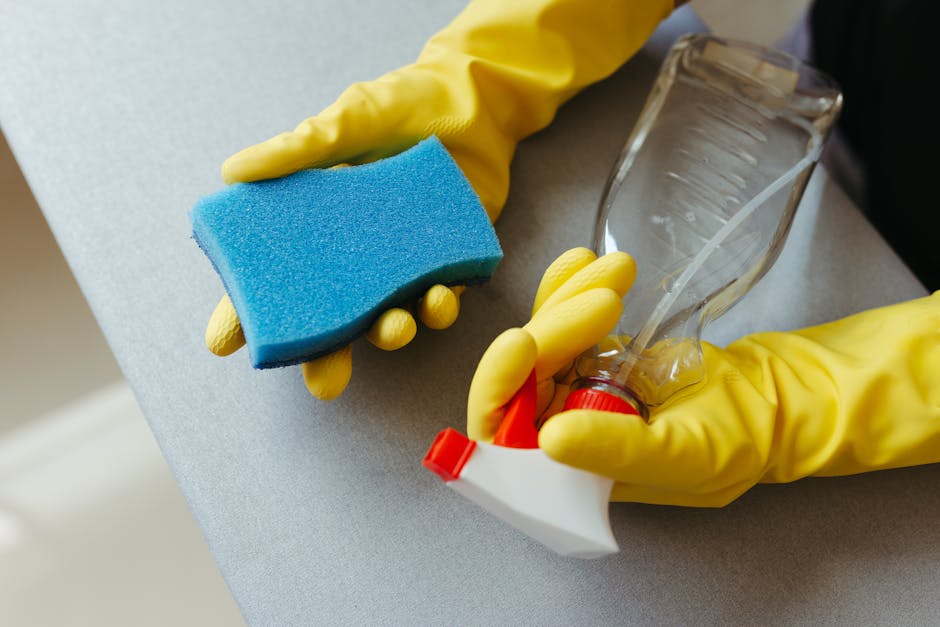
If you have ever stared at a fresh spill on a carpet, sofa, rug, or mattress and thought, "Right, that's annoying," you are in the right place. This stain cleaning guide near Coulsdon South station is built for real life: the coffee that tipped over on the way out, muddy footprints after a wet commute, a wine splash during dinner, or the mystery mark that appeared overnight and somehow became everyone's problem. The aim here is simple: help you act quickly, clean safely, and avoid the small mistakes that turn a minor spill into a permanent stain.
Because truth be told, stain removal is part timing, part material knowledge, and part not panicking. A few minutes can make all the difference. And if you live, work, or commute around Coulsdon South station, it helps to know what you can tackle at home and when it makes more sense to bring in proper professional support. This guide covers the why, the how, the methods that work best, and the situations where a specialist is worth it.
Why stain cleaning near Coulsdon South station matters
Stains are not just cosmetic. They can change the feel of a room, shorten the life of fabric, and leave behind odours if the spill has soaked through the surface. In a busy home near Coulsdon South station, that matters more than people think. Many households deal with a lot of foot traffic: school shoes, wet umbrellas, shopping bags, pets racing in at the wrong moment, and everyday life doing its thing. A stain on an entrance carpet or hallway runner can quickly become a repeated problem if it is left to settle.
There is also a practical side. The longer a stain sits, the more likely it is to bond with fibres or wick back up from the backing material. That is why some marks look better after a quick blotting but then reappear later. It is not magic. It is moisture moving through the pile. And if you have ever cleaned a patch only to see it return the next morning, you already know how frustrating that feels.
Near a station, there is another common reality: fast-turnover living. People are in and out, sometimes with hot drinks, takeaway food, damp coats, or luggage. So while a stain cleaning guide may sound fairly simple, the setting makes it more relevant. The aim is not perfection at all costs. It is sensible stain control that protects your furnishings and keeps a property looking cared for.
Expert summary: act quickly, blot rather than scrub, match the method to the material, and avoid over-wetting. That one line saves a lot of trouble.
How stain cleaning works
At its core, stain removal is about breaking the bond between the spill and the surface without spreading the problem. Different stains behave differently. A water-based drink like tea or squash is not the same as oil, ink, protein-based food, make-up, or pet accidents. The cleaner, the fabric, and the drying stage all matter.
A sensible process usually follows this pattern:
- Identify the stain type. If you know what caused it, you can avoid using the wrong treatment.
- Check the material. Wool, synthetic carpet, cotton upholstery, velvet, and loop-pile rugs all react differently.
- Remove excess residue. Lift solids gently and blot liquid with clean white cloths.
- Apply a suitable cleaning action. That may mean a mild solution, targeted stain remover, or specialist extraction.
- Rinse or neutralise carefully. Leftover cleaner can attract dirt if not removed properly.
- Dry thoroughly. Airflow matters. Damp fibres can bring back odour or residue rings.
If the stain is on a carpet or upholstered piece, the safest approach is usually to work from the outside edge inward. That reduces the risk of enlarging the mark. You should also be careful with heat. Hot water can set some stains, especially protein-based ones, and it can make others spread. A lot of people assume hotter always means cleaner. Not always, no.
Professional methods often use controlled chemistry and extraction. For example, targeted stain removal can handle more stubborn marks than household spot cleaning because the treatment is matched to the stain type and surface. For deep fabric cleaning, services such as steam carpet cleaning or upholstery cleaning may help remove residues that ordinary blotting cannot reach.
Key benefits and practical advantages
Good stain cleaning does more than improve appearance. It can preserve fibres, reduce odours, and delay the need for replacement. That last one matters. Replacing a good rug or reupholstering a sofa costs a lot more than sorting a stain properly at the start.
- Better appearance: clean carpets and furniture simply make a room feel calmer and more looked after.
- Longer material life: stains often become abrasive if left to dry in place, especially if dirt gets trapped with them.
- Odour control: spills involving milk, food, drinks, or pet accidents can smell far worse after a day or two.
- Lower replacement risk: early intervention can save items that would otherwise look permanently marked.
- Healthier environment: removing residue reduces the chance of sticky patches collecting more dust and grime.
There is also a less obvious benefit: peace of mind. When a stain is dealt with properly, you stop noticing it every time you walk past. That sounds small, but it changes how a room feels. Let's face it, a visible mark near the front room window or on the hallway carpet can bother you far more than the actual spill did.
Who this is for and when it makes sense
This guide is for anyone near Coulsdon South station who wants to keep fabrics in decent condition without making things worse. That includes renters, homeowners, landlords, letting agents, office managers, and busy families. It also suits people who have already tried a quick home fix and are unsure what to do next.
It makes particular sense when:
- the stain is fresh and you want the right first response
- the mark is on a delicate fabric or light-coloured carpet
- you have a recurring stain that keeps coming back
- the area smells as well as looks stained
- you need the property to look presentable for guests, tenants, or a handover
Some stains are straightforward enough for careful DIY treatment. Others are not. A small tea splash on synthetic carpet is one thing. A set-in wine stain on wool, or an unknown patch on a silk-blend sofa, is another matter entirely. If you are ever unsure, pause. A wrong move can lock the stain in place or damage the material. That is the part people forget when they are rushing.
If the issue involves a pet accident, odour, or repeat marking, it may be more efficient to look at pet stain and odour removal. For furniture-specific issues, a dedicated sofa cleaning or rug cleaning service can be the better fit.
Step-by-step guidance
Here is the practical version. Keep it calm, keep it simple, and do the least aggressive thing that will do the job.
1. Act quickly
The first few minutes matter most. Blot liquid spills straight away using a clean white cloth or plain kitchen paper. Press down gently. Do not rub. Rubbing can drive the stain deeper and rough up the fibres.
2. Lift solids first
If the spill includes food, sauce, mud, or anything chunky, lift the excess with a spoon or dull edge. Work carefully. The goal is to remove material without grinding it in. A tiny bit of patience here saves a lot later. Honestly, this is the step people want to rush, and that is where mistakes start.
3. Check the fabric or surface
Read any care labels you have, and if it is a carpet or upholstered item, think about the fibre type. Wool, cotton, linen, polyester, polypropylene, and mixed fibres all behave differently. If the material is delicate, water may not be the safest first choice.
4. Test in a hidden spot
Before using any cleaner, test a small hidden area. Wait for it to dry. Look for colour transfer, texture change, or water marks. This is a small step, but very important. It is one of those boring little habits that separates a neat fix from an expensive headache.
5. Use the right cleaning action
For many fresh food or drink stains, a very small amount of mild cleaning solution and a damp cloth can help. Work from the outside towards the centre. For grease-based stains, absorbent powder or a suitable degreasing method may be needed. For ink or dye transfer, a different treatment may be required entirely.
6. Rinse or blot out residue
Whatever you use, make sure cleaner residue is not left behind. Residue can collect dirt later and create a dull patch. Blot with clean water if appropriate, then dry again with a fresh cloth.
7. Dry fully
Good airflow matters. Open a window if weather allows, use a fan if needed, and avoid putting furniture back too soon. A still-damp patch can smell musty by evening. You know the sort of smell. Not ideal.
8. Decide whether the stain is truly gone
Some stains fade as they dry and then reappear slightly once the area is fully dry. If the mark remains visible after drying, it may need a second treatment or professional attention. At that stage, repeating random DIY methods is usually a bad idea.
Expert tips for better results
Small decisions make a big difference. In our experience, the best results often come from restraint rather than force.
- Use white cloths rather than coloured towels. You do not want dye transfer adding a second problem.
- Blot in stages. Short, repeated pressure is better than one hard scrub.
- Keep the stain area small. Working too wide can spread the spill.
- Avoid oversoaking. More liquid is not the same as better cleaning.
- Think about the backing, not just the surface. Some stains soak down into underlay or padding.
- Deal with odour early. Once a smell settles in, cleaning gets harder.
A useful rule: if the cloth is coming away dirty but the stain is not improving, stop and reassess. That usually means the substance is not being lifted cleanly, or the method is wrong for the fibre. And yes, sometimes the best expert move is simply stopping before you make it worse.
For larger jobs or repeat marks, a planned deep clean may help. Services such as carpet cleaning and curtain cleaning are particularly useful where stains are part of a wider build-up rather than a single isolated incident.
Common mistakes to avoid
Most stain disasters come from the same few habits. The good news is that they are easy to avoid once you know them.
- Rubbing aggressively. This is the big one. It spreads the stain and damages the pile.
- Using too much detergent. Excess cleaner leaves residue and can attract more dirt later.
- Applying heat too early. Heat can set certain stains, especially protein and dye-based marks.
- Ignoring fabric type. What works on synthetic carpet may ruin a delicate upholstery fabric.
- Mixing cleaners. That can create unsafe fumes or unpredictable reactions.
- Leaving the area damp. Moisture left behind can lead to odour, wicking, or even mould concerns in some situations.
Another common one: people clean the visible mark but not the surrounding halo. The eye picks that up straight away. If the stain was liquid, the outer ring often matters just as much as the centre. Slow down, treat the full patch evenly, and dry it properly.
Tools, resources and recommendations
You do not need a trolley full of gadgets to handle everyday stains well. A small, sensible kit is enough for most homes and small premises.
| Tool or item | Best use | Why it helps |
|---|---|---|
| White cotton cloths | Blotting spills | They show transfer clearly and reduce dye risk |
| Kitchen paper | Initial spill absorption | Useful for fresh liquid before it spreads |
| Soft brush | Dry surface debris | Helps lift loose dirt before wet cleaning |
| Clean spray bottle | Applying a light solution | Gives more control than pouring liquid directly |
| Absorbent powder | Grease-related spills | Can pull oil from some materials before deeper treatment |
| Fan or open airflow | Drying | Speeds drying and reduces lingering smell |
For homes with pets, children, or busy shared spaces, it is worth keeping a small stain kit handy rather than hunting for supplies mid-crisis. The minutes you waste looking for a cloth are often the minutes a stain needs to settle in. A little dramatic, perhaps, but true.
If you need a broader service that ties cleaning methods together, stain removal can be the most relevant next step. For hard-wearing items that need a deeper refresh, consider steam carpet cleaning as part of a more complete restoration approach.
Law, compliance, standards, and best practice
This topic sits mostly in the realm of household and commercial best practice rather than strict legal procedure, but there are still sensible standards to keep in mind. In the UK, cleaning work should be carried out with attention to safety, suitability of products, and care for the surface being treated. That sounds obvious, but in real life it is where a lot of problems begin.
If you are cleaning in a rental property, managed block, office, or shared space near Coulsdon South station, the expectations are usually practical rather than dramatic: protect the asset, avoid damage, and leave the area safe to use. Good practice also means reading product instructions, using appropriate personal protection where needed, and making sure wet floors or fabrics do not create slip or trip risks.
Professional providers should also have clear policies around safety and insurance. If you are comparing services, it is sensible to look for transparent information about health and safety policy, insurance and safety, and fair customer terms. Those details are not glamorous, but they matter. A lot.
For people managing commercial premises, there may also be a greater need to schedule cleaning around opening hours, footfall, and hygiene expectations. That is where commercial carpet cleaning can fit into routine maintenance, especially in reception areas, waiting rooms, and staff spaces.
Options, methods, or comparison table
Choosing the right method depends on the stain, the material, and how quickly you need the result. Here is a straightforward comparison.
| Method | Best for | Strengths | Limitations |
|---|---|---|---|
| Dry blotting | Fresh liquid spills | Fast, safe, low risk | Only removes surface liquid |
| Mild spot cleaning | Small household stains | Accessible and inexpensive | Can fail on set-in or greasy marks |
| Targeted stain treatment | Stubborn or specific stains | Better match for stain type | Needs care to avoid over-treatment |
| Hot water extraction or steam cleaning | Carpets and some upholstery | Deep cleans residue and dirt | Not ideal for every fibre |
| Specialist pet odour treatment | Pet accidents and smells | Addresses stain plus odour | Often needs more than one pass |
To be fair, there is no single "best" method for every stain. Anyone selling one miracle solution is oversimplifying it. A practical mix is usually best: quick blotting for fresh spills, matched treatment for specific stains, and professional cleaning when the problem has gone beyond the surface.
Case study or real-world example
Picture a common situation. A commuter gets home near Coulsdon South station, drops a takeaway drink in the hall, and a splash lands on a light carpet runner by the door. It looks small at first. By the next morning, there is a faint ring, the fibres feel slightly stiff, and a mild sugary smell has started to linger.
The first instinct is usually to scrub it. That would likely have made it worse. A better approach would be to blot immediately, lift any residue, test a mild cleaner in a hidden corner, treat the mark lightly, and dry the area with airflow. If the stain remained or the runner started to look patchy, a more focused treatment would be sensible.
That same logic applies to sofas and dining chairs too. A coffee mark on a seat cushion can sit there all day if people are busy. Later, it darkens, the odour sets in, and the fabric begins to look tired around the stain even if the centre has faded. In that kind of scenario, a more thorough fabric clean can be the difference between a one-off accident and a long-term eyesore.
One thing people often underestimate is how much a stain can affect the rest of the room. Once you notice one patch, you start seeing dust, wear, and dullness around it. The whole thing feels a bit off. Clearing the stain restores more than the mark itself.
Practical checklist
Use this quick checklist when a spill happens.
- Blot the spill straight away with a clean white cloth
- Lift solids gently before adding any liquid
- Check the material and any care label
- Test your chosen cleaner in a hidden area
- Work from the outside of the stain towards the centre
- Use only the minimum amount of solution needed
- Rinse or blot out residue carefully
- Dry fully with good airflow
- Recheck the area once dry for rings or colour changes
- Stop and call a professional if the stain spreads, returns, or affects delicate fabric
Short take: the right first response often saves the item. That is especially true for carpets, rugs, and upholstery where the stain can sink below the visible surface.
Conclusion
A good stain cleaning guide near Coulsdon South station is really about confidence. Not reckless confidence, just the calm sort that comes from knowing what to do first, what to avoid, and when to ask for help. Quick action, the right method, and proper drying solve a surprising amount of everyday mess. And for the bigger or trickier jobs, professional cleaning can protect your fabrics, furniture, and sanity. Which, let's be honest, is worth a lot on a busy week.
Whether you are dealing with a fresh spill on the hallway carpet, a stubborn mark on the sofa, or a stain that has quietly overstayed its welcome, a careful approach usually gives the best result. Keep your methods gentle, trust your judgement, and do not keep scrubbing just because you feel you should. Sometimes the clever move is to stop, reassess, and choose the smarter route.
Get a free quote today and see how much you can save.
If you want to learn more about the team behind the service, you can also review about us and the company's approach to recycling and sustainability. Small details, yes, but they say a lot about how a business works day to day.
Frequently Asked Questions
What is the best first step for a fresh stain on carpet?
Blot it immediately with a clean white cloth or plain paper towel. Do not rub. If you can remove the spill before it spreads, you have already improved the outcome quite a bit.
Can I use hot water on every stain?
No. Hot water can set some stains, especially protein-based ones and certain dyes. Lukewarm or cool water is often safer at the start, but the right choice depends on the stain and fabric.
How do I stop a stain from coming back after cleaning?
Make sure the area is not over-wet and remove as much residue as possible. Stains often return when moisture wicks up from deeper layers and carries the residue back to the surface.
Is it safe to use the same cleaner on a sofa and a carpet?
Not always. Upholstery and carpet fibres can react differently, and some sofa fabrics are more delicate than most carpets. Always test first and check the care instructions if available.
What stains are hardest to remove at home?
Grease, ink, red wine, pet accidents, dye transfer, and set-in food stains can be difficult. If the stain is old or has already been scrubbed, professional treatment often gives a better result.
How soon should I clean a spill?
As soon as possible. Fresh stains are much easier to treat than dried-in ones. Even a short delay can make a noticeable difference, especially on absorbent fabrics.
Will steam cleaning remove every stain?
No method removes every stain every time. Steam cleaning helps with many carpets and some upholstery, but certain stains need targeted treatment first, and some delicate fabrics are not suitable for it.
Can pet stains be fully removed?
Often they can be treated very effectively, but success depends on how long the stain has been there and whether it has soaked into the underlay or padding. Odour is sometimes the harder part.
Should I try a stain remover from the shop before calling a professional?
Only if you are confident it suits the material and stain type. If the item is valuable, delicate, or already damaged, it may be wiser to skip experimentation and get expert advice first.
How do I know if a stain has damaged the fabric permanently?
If the colour has changed, the texture feels rough or stiff, or the mark remains after proper drying and treatment, the material may be permanently affected. A specialist can usually tell you whether further cleaning is likely to help.
Do I need a professional for a small stain?
Not always. Small fresh stains are often manageable at home. The decision usually comes down to the fabric, the stain type, and how much risk you are willing to take with the item.
What if I am dealing with multiple stains in the same room?
That often means the problem is broader than one spill. In that case, a full clean may be more efficient than spot treating each mark one by one, especially on carpets and upholstered furniture.
If you are comparing your options, you may also find pricing and quotes useful when planning the next step. For service expectations and customer care, terms and conditions can help clarify the process too.